
If you ever visit Budapest, Hungary, there is one building that will almost certainly catch your attention: the magnificent Hungarian Parliament Building. Standing proudly beside the Danube River, this extraordinary landmark is more than just a place where politicians meet and make decisions. It is a masterpiece of architecture, a symbol of Hungarian national identity, and one of the most impressive historical buildings in Europe.
Even if you are not particularly interested in politics or architecture, it is difficult not to be fascinated by this building. Its beautiful towers, impressive central dome, detailed stone decorations, and symmetrical façade make it look almost like a palace from a fairy tale. And when the building is illuminated at night, its reflection on the Danube creates one of the most beautiful views in Budapest.
But there is much more to discover behind its impressive appearance. Let’s take a closer look at the history, architecture, and fascinating facts that make the Hungarian Parliament Building such a special place.
A Brief History of the Hungarian Parliament Building
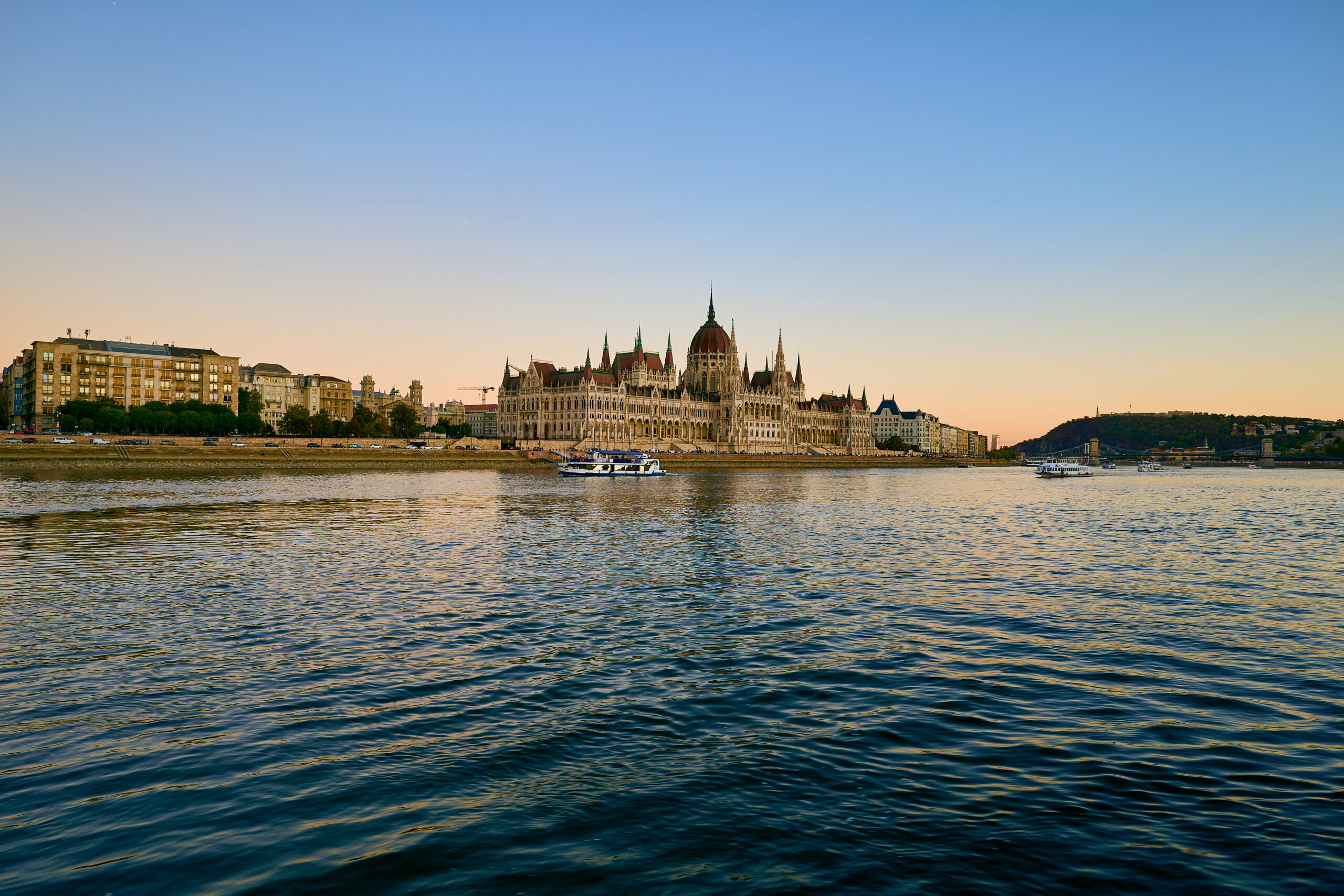
The Hungarian Parliament Building, known locally as Országház, is located on Kossuth Lajos Square on the Pest side of Budapest. Its construction began in 1885, during a period when Hungary was eager to strengthen its national identity and demonstrate its importance within the Austro-Hungarian Monarchy.
The Hungarian government wanted a parliament building that would represent the country’s history, culture, and political ambitions. An architectural competition was organised, attracting several proposals. The winning design came from Hungarian architect Imre Steindl, whose vision was strongly influenced by the Gothic Revival style, particularly the famous Palace of Westminster in London.
Construction took almost two decades and was completed in 1904. Unfortunately, Imre Steindl never saw his masterpiece fully completed, as he passed away in 1902. Interestingly, the building was already being used before its official completion. The first ceremonial parliamentary session took place in the unfinished structure in 1896, during celebrations marking the millennium of the Hungarian conquest of the Carpathian Basin. Today, the Parliament remains the permanent home of Hungary’s National Assembly and is one of the country’s most recognisable national symbols.
An Architectural Masterpiece That Looks Like a Palace
One of the first things you will notice about the Hungarian Parliament is its extraordinary architectural design. Although the Gothic Revival style dominates its exterior, the building also incorporates Baroque and Renaissance elements. Its façade is decorated with pointed arches, detailed stone carvings, ornamental windows, and countless towers and spires. The central dome rises above the surrounding structures, creating a balanced and symmetrical appearance. The building stretches approximately 268 metres along the Danube and reaches a maximum width of around 123 metres. Its central dome stands 96 metres high, making it one of the most recognisable features of Budapest’s skyline.
From a distance, the building almost resembles a giant cathedral or royal palace rather than a government institution. This was intentional: the architects wanted to create something that would reflect the greatness and historical importance of the Hungarian nation.
Another interesting detail is the symmetrical arrangement of the building. The two former parliamentary chambers were designed almost identically, representing the equal importance of the upper and lower houses that existed when the building was constructed.
Fascinating Facts About the Hungarian Parliament Building
Behind its beautiful exterior, the Parliament hides some remarkable details. Here are several interesting facts that make this building even more impressive.
1. It Has 691 Rooms
Can you imagine a building with 691 rooms? The Hungarian Parliament is enormous, with hundreds of offices, meeting rooms, corridors, and ceremonial spaces spread across four floors. Its total floor area is approximately 18,000 square metres. With so many rooms, it is easy to understand why exploring the entire building would take considerably longer than a typical sightseeing visit. The interior is just as impressive as the exterior, with grand staircases, decorative ceilings, stained-glass windows, marble surfaces, and beautifully designed halls.
2. Almost 40 Million Bricks Were Used
The construction of the Parliament required an enormous amount of building material. Approximately 40 million bricks were used, together with around 30,000 cubic metres of stone. These materials helped create the massive structure and its incredibly detailed exterior. The project also involved Hungarian craftsmen and manufacturers. One of the original requirements was that locally sourced materials and Hungarian expertise should be used wherever possible. This was more than a construction project. It was also a way of demonstrating the country’s craftsmanship and industrial capabilities.
3. The Number 96 Has a Special Meaning
One of the most interesting details about the Hungarian Parliament is the number 96. The central dome is exactly 96 metres high, and the impressive main staircase also has 96 steps. This number is not accidental. It refers to the year 896, traditionally associated with the Hungarian conquest of the Carpathian Basin and the beginning of the country’s historical settlement in the region. In this way, the building itself becomes a monument to Hungarian history, with its architecture carrying symbolic meaning beyond its visual beauty.
4. Around 40 Kilograms of Gold Decorate the Interior
If you think the outside of the Parliament looks luxurious, wait until you see its interior. Approximately 40 kilograms of 22–23-carat gold were used in its decorative elements. Gold details can be found on ceilings, ornamental surfaces, and architectural decorations. Combined with marble columns, elaborate carvings, colourful stained glass, and beautifully painted ceilings, these golden details give the interior an extraordinary atmosphere. It is easy to understand why the building is often compared to a royal palace.
5. It Has 365 Towers
Another fascinating feature is the large number of towers decorating the building. The Parliament has 365 towers of different sizes, symbolically representing the 365 days of the year. These towers create the building’s distinctive Gothic silhouette and make its roofline particularly impressive when viewed from across the Danube. Although many of the towers are relatively small, together they create an extraordinary architectural composition.
6. Its Red Carpet Is Almost Three Kilometres Long
Inside the Parliament, even the carpets are impressive. The building contains a red carpet stretching almost three kilometres through its corridors and ceremonial areas. This long carpet contributes to the elegant atmosphere of the interior and connects many of its beautifully decorated spaces. It is another reminder that almost every detail of the building was carefully planned.
The Holy Crown of Hungary: A National Treasure
One of the most important historical objects preserved inside the Parliament is the Holy Crown of Hungary. The crown is not simply a piece of royal jewellery. It is one of the most significant symbols of Hungarian statehood and national identity. Together with the coronation sceptre, orb, and sword, it represents Hungary’s historical monarchy and its long political traditions. The Holy Crown is displayed in the magnificent Dome Hall, where visitors can admire it as part of an organised Parliament tour. An interesting detail is that the crown is protected by special security arrangements. Photography is not permitted inside the Dome Hall, so visitors should take the opportunity to appreciate this historical treasure rather than focus on taking pictures. For anyone interested in European history, seeing the crown in person is a particularly memorable experience.
The Best View of the Hungarian Parliament
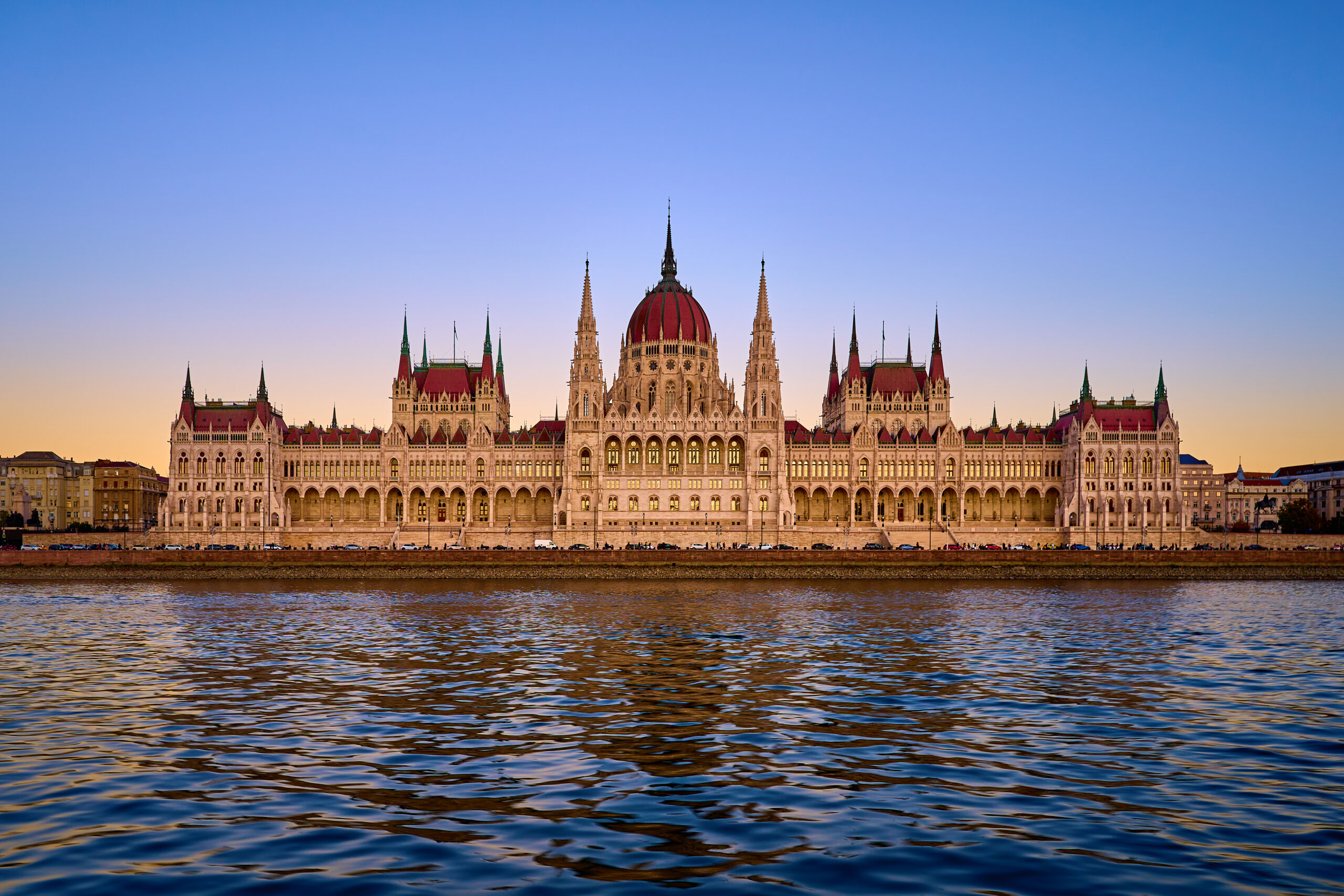
Although visiting the interior is highly recommended, one of the best ways to appreciate the Parliament is actually from outside. Because the building stands directly beside the Danube, there are several excellent viewpoints around Budapest. One of my favourite recommendations would be to admire the Parliament from the opposite side of the river, particularly around the Buda riverbank. From here, you can see almost the entire façade, including its central dome, towers, and symmetrical design. The area around Batthyány Square is especially popular for photography. It offers a beautiful view of the Parliament across the river, with the Danube creating a natural foreground. Another excellent option is to take a walk along the Danube Promenade on the Pest side. This allows you to appreciate the building from different angles and observe its impressive architectural details up close.
The Parliament at Night
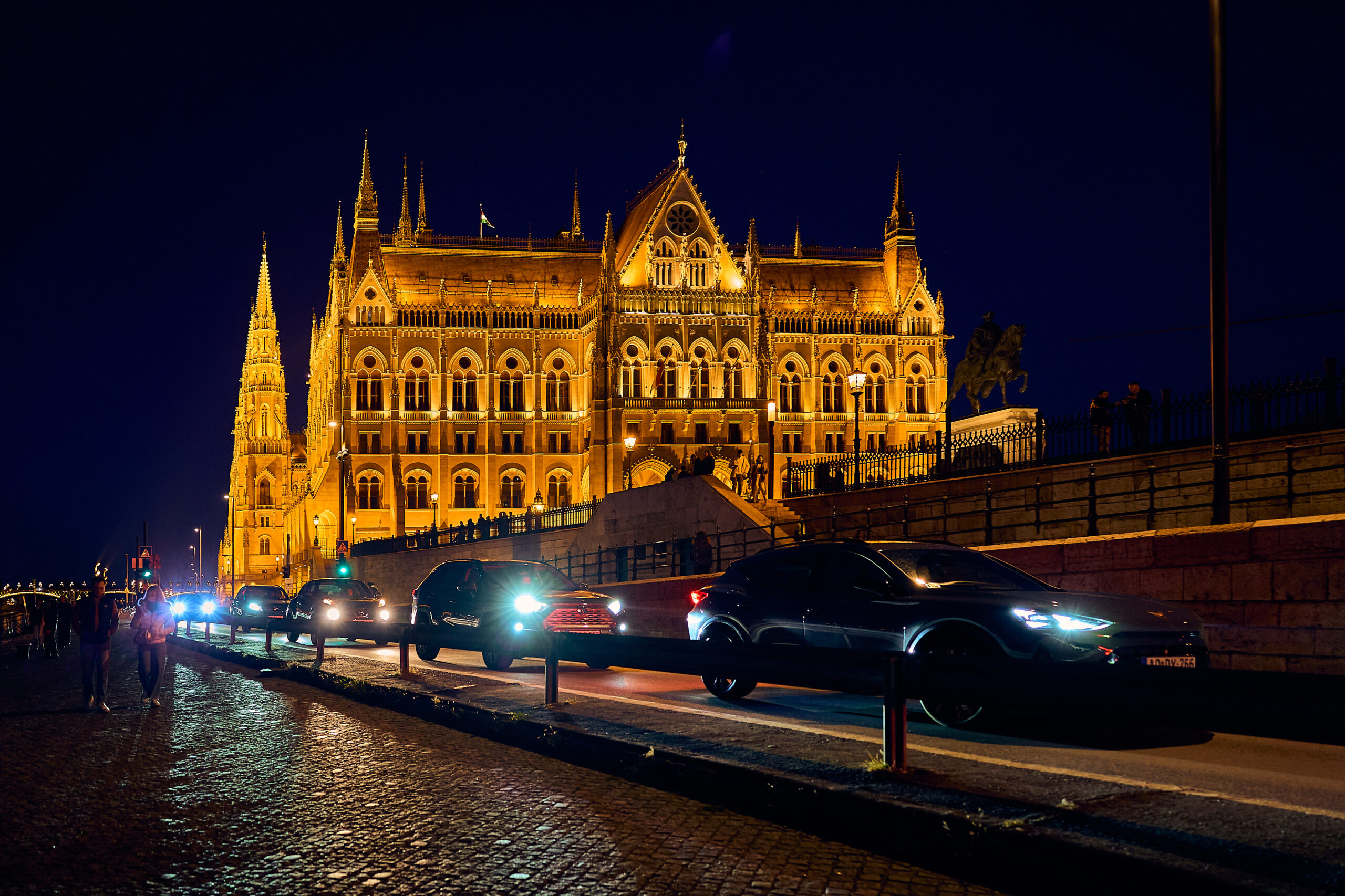
If you have enough time in Budapest, I strongly recommend seeing the Parliament both during the day and at night. During daylight, you can clearly appreciate the details of its architecture, including the sculptures, windows, towers, and stone decorations. After sunset, however, the atmosphere changes completely. The building is illuminated by warm lights, highlighting its architectural details and creating a beautiful reflection on the surface of the Danube. For photography enthusiasts, this is an excellent opportunity to capture one of Budapest’s most iconic views. You can also include the Chain Bridge and other illuminated landmarks in your composition to create an even more memorable photograph.
Location and How to Get There
The Hungarian Parliament Building is situated at Kossuth Lajos tér 1–3, 1055 Budapest, on the Pest side of the city. Its central location makes it relatively easy to reach using public transportation.
The surrounding area is also worth exploring. Kossuth Lajos Square is a beautiful open space with monuments, historical buildings, and green areas. You can easily combine your Parliament visit with a walk along the Danube or a visit to nearby attractions.
Tips Before Visiting the Hungarian Parliament
If you are planning to visit the Parliament, here are a few practical tips to make your experience more enjoyable.
Book your tickets in advance. The Parliament is one of Budapest’s most popular attractions, so guided tours can become fully booked, particularly during busy travel seasons.
Check the official tour schedule. Parliamentary sessions and official events may affect visitor access. It is always worth checking availability before your trip.
Allow time for photography. Even if you have booked an interior tour, do not rush away afterwards. The exterior and surrounding riverbank offer some of the best photography opportunities in Budapest.
Visit during the evening as well. Seeing the building illuminated at night is a completely different experience and well worth including in your itinerary.
Respect the security regulations. The Parliament is an active government building, so visitors must follow security procedures and the rules provided by staff.
Is the Hungarian Parliament Worth Visiting?
Absolutely! The Hungarian Parliament Building is one of those places that makes you stop for a moment and simply admire what human creativity and craftsmanship can achieve. Its enormous scale, fascinating history, impressive architectural details, and symbolic importance make it much more than an ordinary tourist attraction. Even if you only have a short time in Budapest, I would recommend including it in your itinerary. Walk around the building, admire it from the opposite riverbank, and, if possible, join an interior tour to discover the beautiful rooms and historical treasures hidden inside.
For photography lovers, the Parliament is also a wonderful subject. Whether you photograph it during the day, capture its reflection in the Danube, or wait until the evening illumination, there are countless opportunities to create memorable pictures.
Budapest has many beautiful attractions, but the Hungarian Parliament is undoubtedly one of the city’s defining landmarks. It represents not only the architectural beauty of the Hungarian capital but also the history, pride, and identity of an entire nation. So, when you visit Budapest, don’t just look at the Parliament from a distance. Take your time, explore its surroundings, and discover the stories behind one of Europe’s most remarkable buildings.
Sources:
- Budapest Official Tourism Website – Parliament
- Visit Hungary – A riverside rendezvous with Hungarian history: the Parliament – interesting facts and experiences
- Kata Budapest – 15 Fascinating Facts About the Hungarian Parliament Building


Leave a Reply