
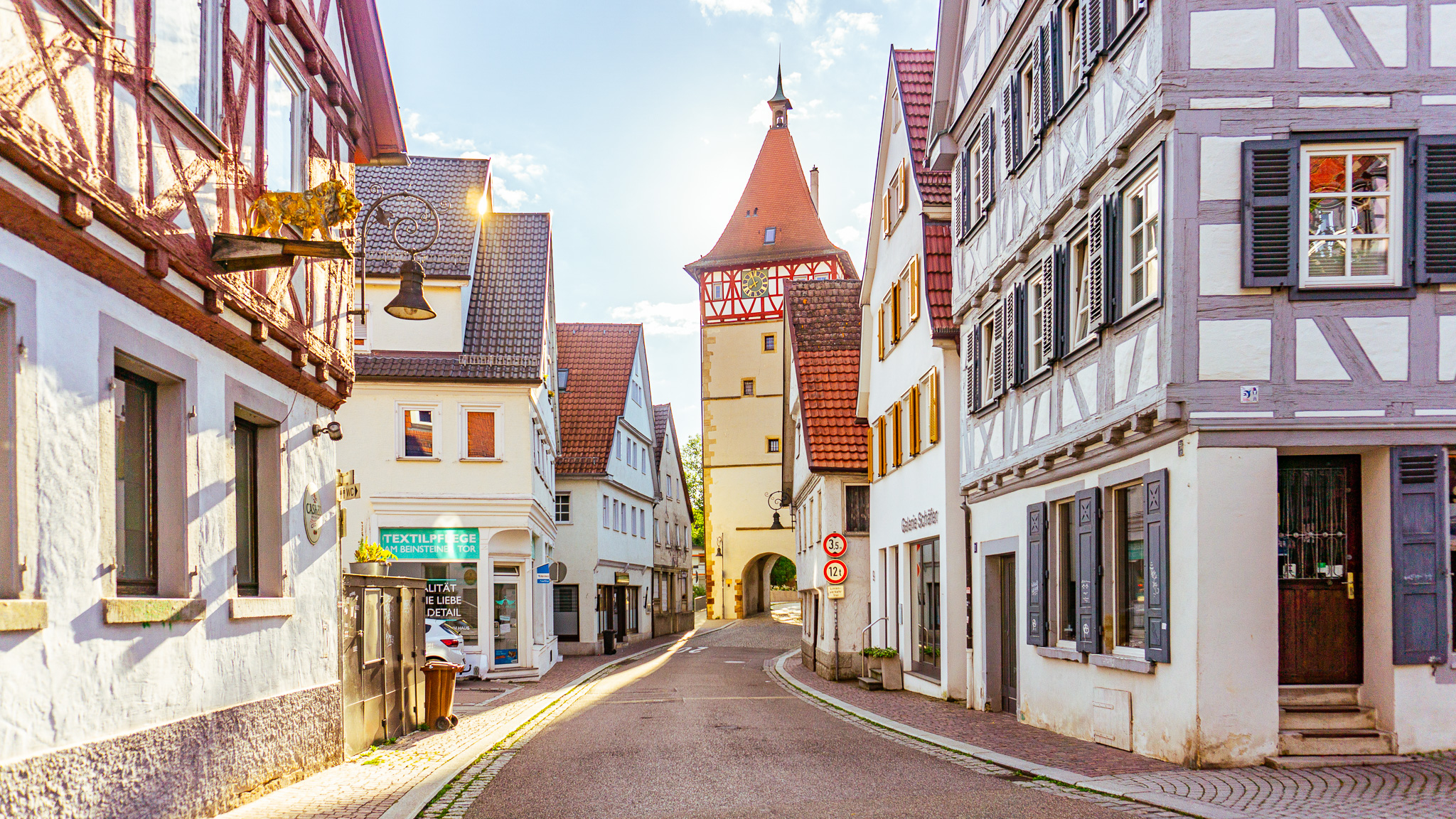
Located in the heart of southern Germany, the historic old town (Altstadt) of Waiblingen in Baden-Württemberg offers a captivating journey into the past, where medieval charm blends seamlessly with modern cultural life. Situated just a few kilometers from Stuttgart, Waiblingen may not be as internationally famous as some larger German cities, but its old town stands out as one of the most picturesque and well-preserved in the region. The city itself covers an area of about 42.75 square kilometers, yet the historic core is compact, making it ideal for walking and immersive exploration1.
One of the most striking features of Waiblingen’s old town is its dense concentration of traditional half-timbered houses (Fachwerkhäuser), many of which date back to the reconstruction period following the devastation of the Thirty Years’ War in 1634. The city was almost completely destroyed during that conflict, and the majority of the buildings seen today were rebuilt between approximately 1640 and 17002. This gives the Altstadt a remarkably cohesive architectural character, where colorful timber frames, narrow alleys, and cobblestone streets create a storybook-like atmosphere. Walking through these winding lanes, visitors often feel as if they have stepped back several centuries into a quieter, slower-paced world.
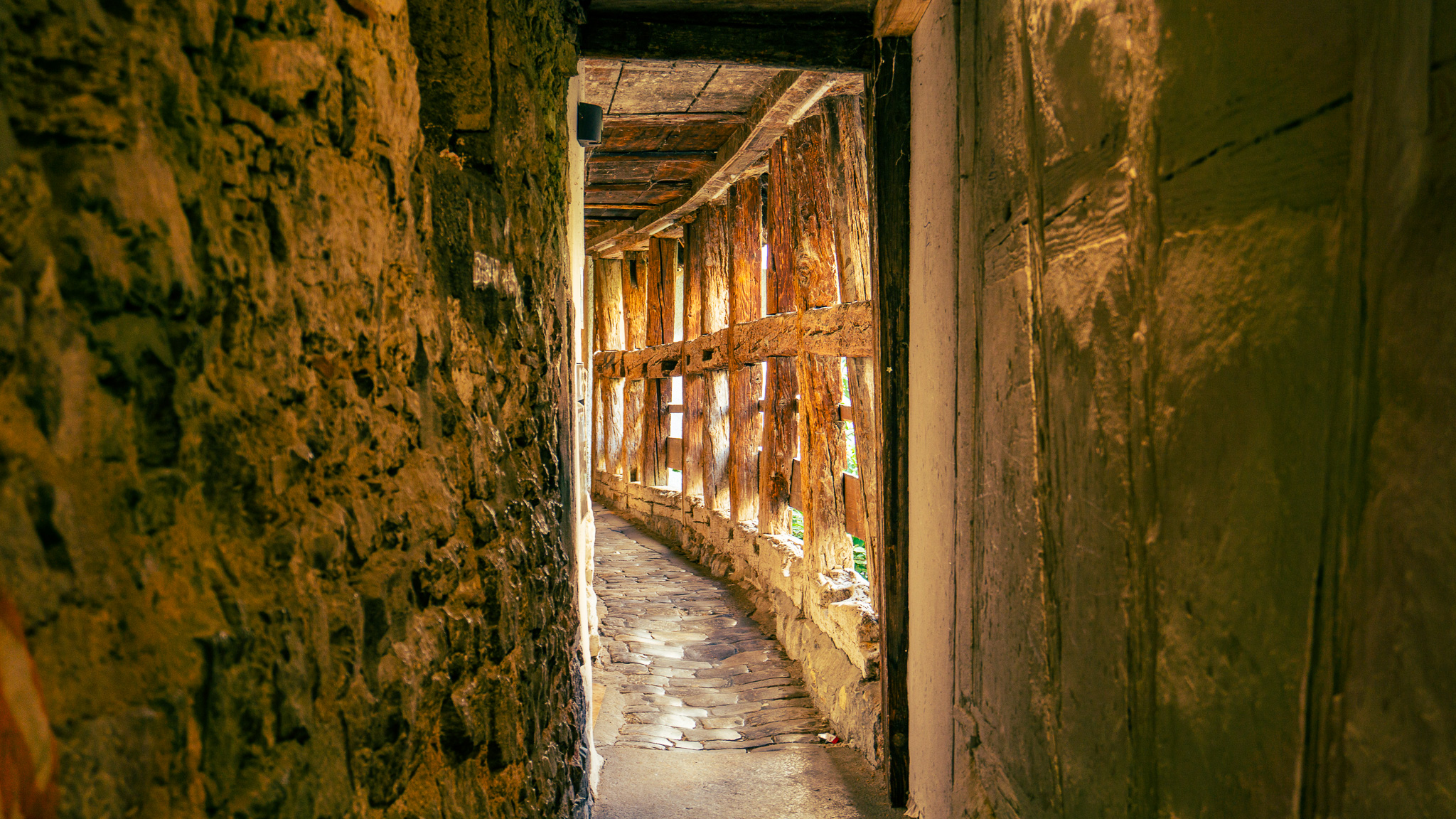
The old town is surrounded by remnants of medieval fortifications, including sections of the original city wall and accessible defensive walkways (Wehrgänge). These structures are not only historically significant but also provide a unique perspective on how the town was once protected. Among the most iconic landmarks is the Hochwachtturm, a medieval watchtower that rises above the rooftops and offers panoramic views of the old town and the surrounding Rems Valley3. Nearby, the Beinsteiner Gate Tower from the 13th century stands as another reminder of the town’s fortified past, emphasizing Waiblingen’s strategic importance during medieval times.
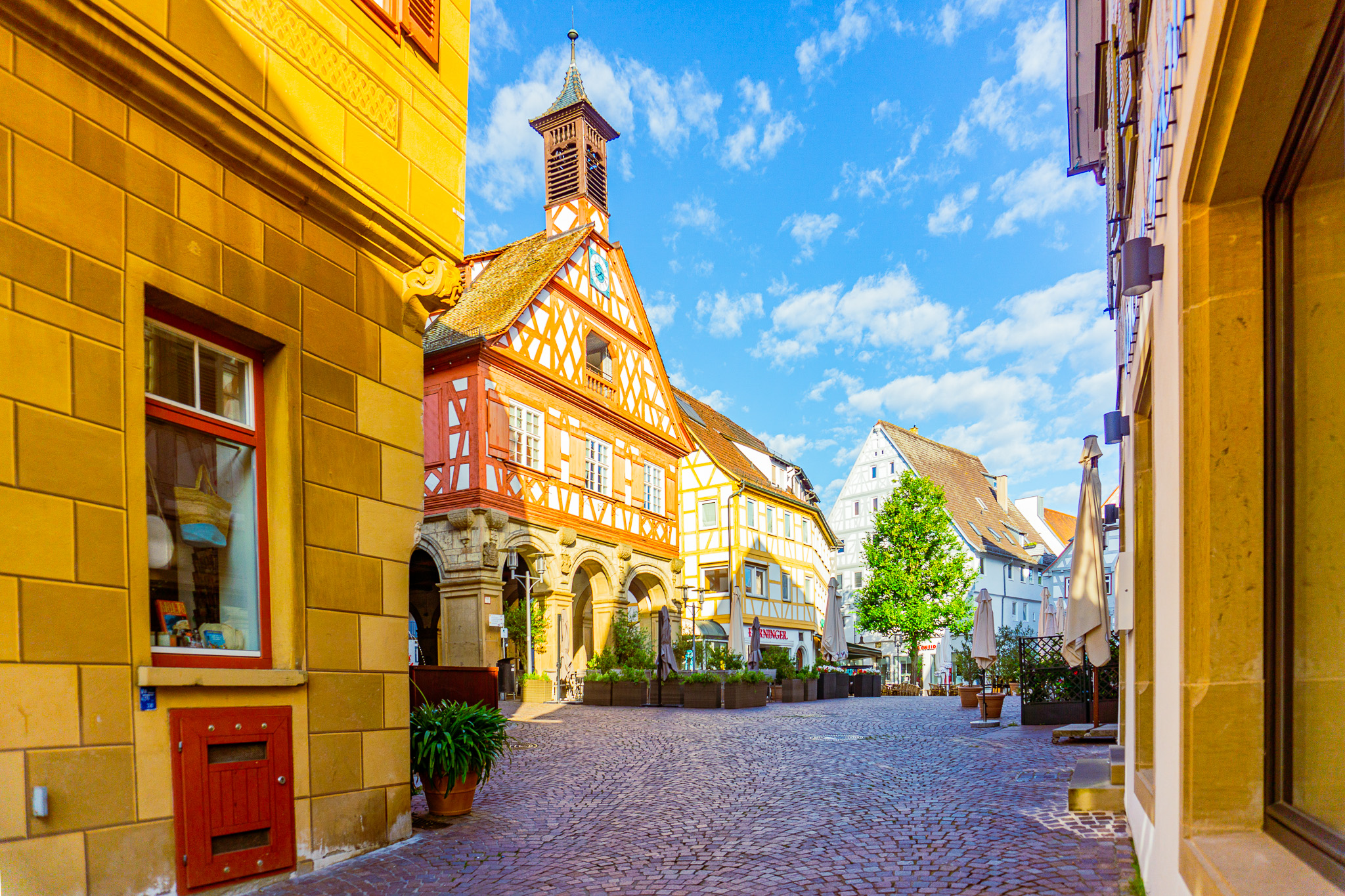
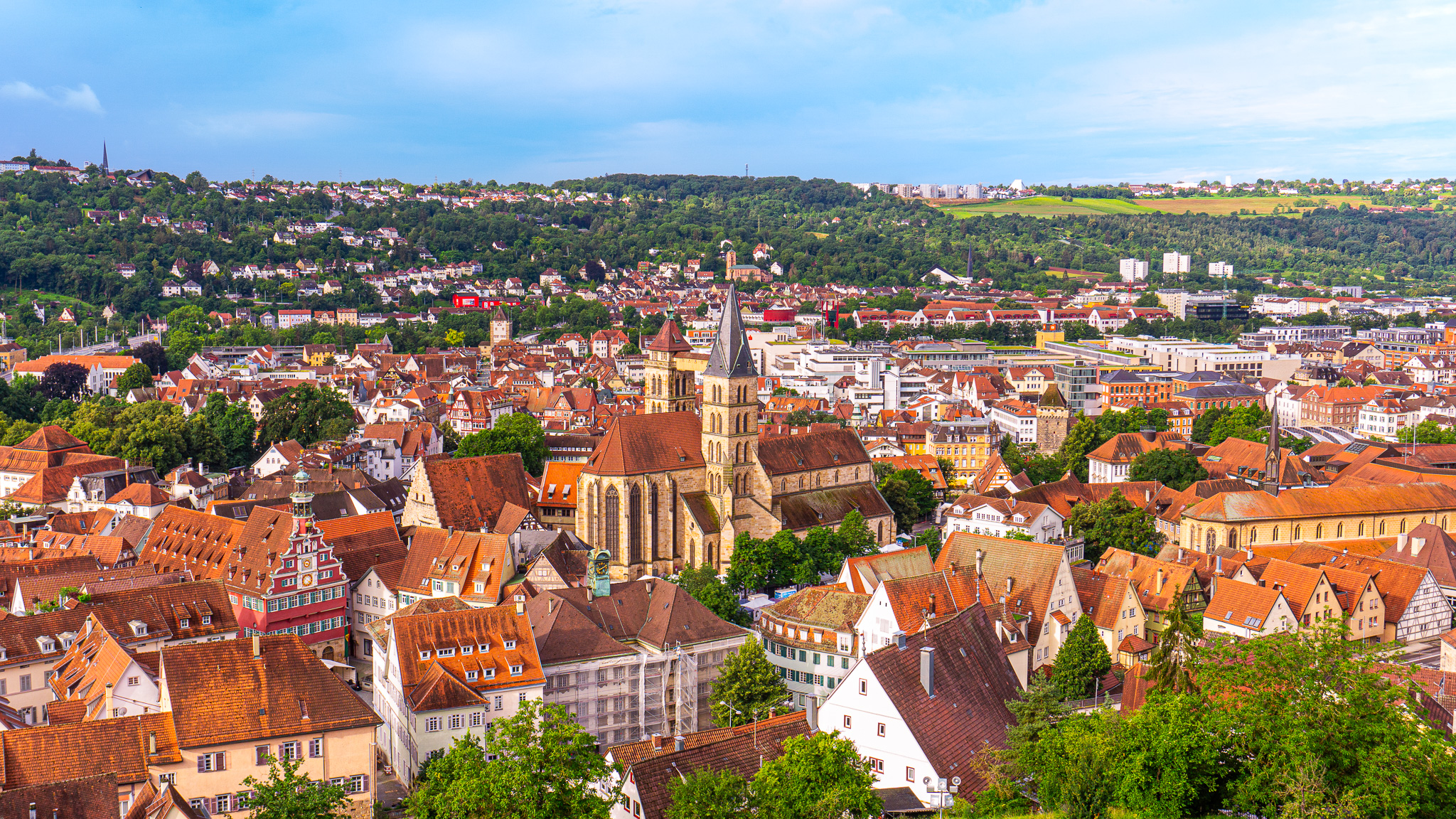
Religious and civic architecture also play an important role in shaping the identity of Waiblingen’s Altstadt. The Michaelskirche, built in the 15th century, dominates the skyline with its Gothic design and historical significance as the city’s main church4. Not far from it lies the Nikolauskirche, first mentioned in the 13th century, as well as the charming Nonnenkirchle, a small chapel with a unique two-story structure. The old town hall (Altes Rathaus), located in the central market square, is another highlight. Originally constructed in the late 16th century, this Renaissance building has served various purposes over time, from a school to a cultural space, while maintaining its historical façade5.
Beyond its architecture, Waiblingen’s old town is notable for its seamless integration with nature. The Altstadt lies close to the Rems River, and just a short walk leads visitors to the scenic landscape park Talaue, where green meadows, vineyards, and riverbanks create a peaceful contrast to the dense urban fabric. This unique combination of historic urban space and surrounding natural beauty is one of Waiblingen’s defining characteristics, offering visitors both cultural and outdoor experiences in one location6.
Culturally, the old town is far from static. It serves as a vibrant hub for art, history, and community life. Institutions such as the Haus der Stadtgeschichte (House of City History), the Galerie Stihl Waiblingen, and various cultural centers along the river contribute to a lively atmosphere that goes beyond mere historical preservation7. Throughout the year, the town hosts a variety of festivals and events, including the Altstadtfest, wine festivals, and light shows, which transform the already charming streets into dynamic spaces filled with music, food, and local traditions.
Another unique aspect of Waiblingen is its identity as a “Staufer City,” a reference to its historical connection with the Hohenstaufen dynasty, one of the most influential ruling families in medieval Germany. This historical association adds an additional layer of depth to the city’s heritage, linking its local history to broader European developments during the Middle Ages8. The town was also an important center of trade and craftsmanship, particularly known for pottery and later brick production, reflecting its long-standing economic significance.
In conclusion, the old town of Waiblingen is a destination that combines historical depth, architectural beauty, and cultural vibrancy within a relatively small and accessible area. Its narrow streets, preserved fortifications, and centuries-old buildings tell stories of destruction and renewal, while its integration with nature and modern cultural institutions make it a living, evolving place rather than a static museum. For travelers seeking an authentic and less crowded alternative to Germany’s more famous historic towns, Waiblingen’s Altstadt offers a rich and rewarding experience that is both intimate and unforgettable.
Source:
- https://en.wikipedia.org/wiki/Waiblingen?utm_source=chatgpt.com ↩︎
- https://en.wikipedia.org/wiki/Waiblingen?utm_source=chatgpt.com ↩︎
- https://de.wikipedia.org/wiki/Waiblingen?utm_source=chatgpt.com ↩︎
- https://de.wikipedia.org/wiki/Waiblingen?utm_source=chatgpt.com ↩︎
- https://placesofgermany.de/en/places/waiblingen-old-town-hall/?utm_source=chatgpt.com ↩︎
- https://www1.bwegt.de/land-und-leute/das-land-erleben/ausflugsziele/detail/stadtrundgang-waiblingen/altstadtrundgang-waiblingen/aa39af90-6694-11ee-bde7-9302a64c81db?utm_source=chatgpt.com ↩︎
- https://www1.bwegt.de/land-und-leute/das-land-erleben/ausflugsziele/detail/stadtrundgang-waiblingen/altstadtrundgang-waiblingen/aa39af90-6694-11ee-bde7-9302a64c81db?utm_source=chatgpt.com ↩︎
- https://www.stuttgart-tourist.de/en/a-waiblingen?utm_source=chatgpt.com ↩︎

Leave a Reply