
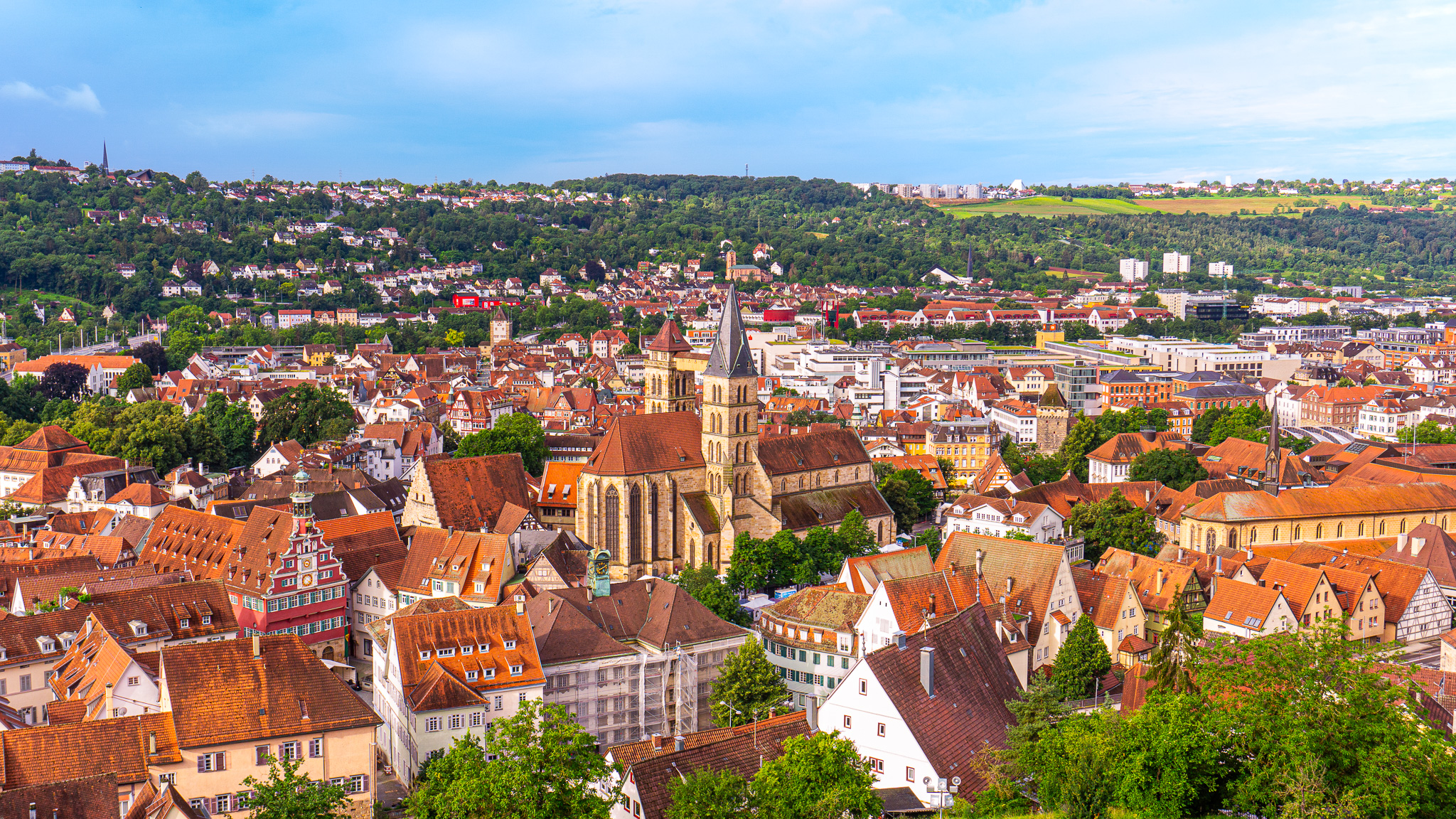
Nestled along the banks of the Neckar River in southwestern Germany, Esslingen am Neckar is a city that feels like a journey back in time. Located just a few kilometers from Stuttgart, this charming town boasts over 1,200 years of history, with its origins dating back to at least the 8th century when it was first mentioned in historical records. What makes Esslingen especially fascinating is how well its medieval character has been preserved. Unlike many German cities that suffered heavy destruction during World War II, Esslingen remained largely intact, allowing visitors today to experience an authentic medieval townscape filled with narrow cobblestone streets, ancient towers, and beautifully preserved half-timbered houses. In fact, the city is home to more than 200 half-timbered buildings, including one of the oldest continuous rows of such houses in Germany, dating back to the 14th century.
One of the most interesting aspects of Esslingen is its historical importance as a Free Imperial City within the Holy Roman Empire. From the 14th century until the early 19th century, the city enjoyed a high degree of independence, answering only to the emperor. This autonomy contributed to its economic prosperity, especially because of its strategic location along major trade routes connecting Italy, Switzerland, and northern Europe. The construction of a bridge over the Neckar River in the Middle Ages turned Esslingen into a thriving trading hub, where merchants exchanged goods and local wine became a highly valued export. Even today, the surrounding hills are covered in vineyards, reflecting a long-standing wine culture that continues to shape the region’s identity.
Another captivating feature of Esslingen is its rich architectural heritage. The city center is filled with landmarks that tell stories from different centuries. The Church of St. Dionysius, for example, stands on foundations that date back to the 8th century, offering a glimpse into early medieval religious life. Meanwhile, the Frauenkirche represents a striking example of Swabian Gothic architecture, built between the 14th and 16th centuries.
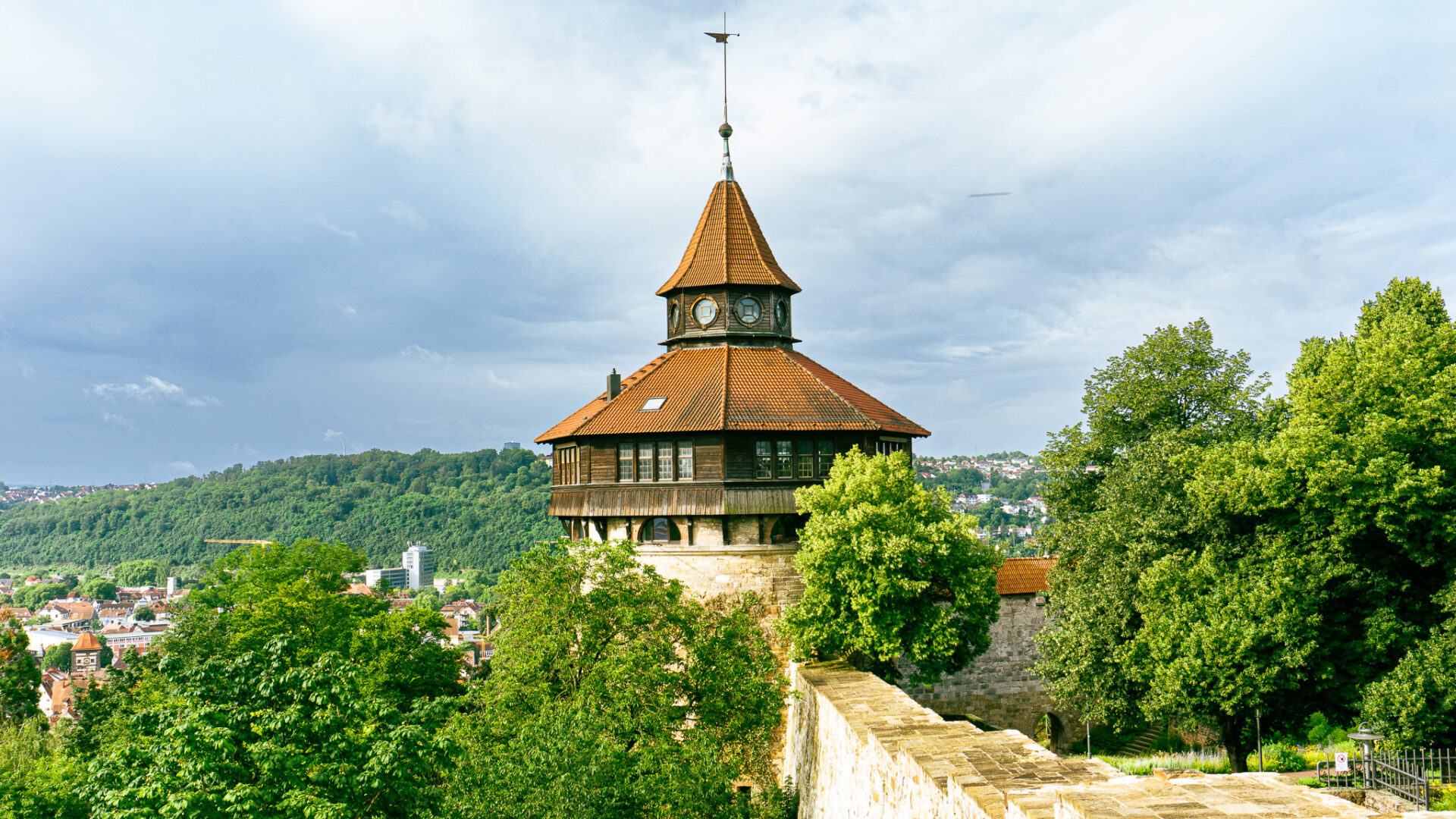
Rising above the charming old town, Esslingen Castle (known as the Esslinger Burg) adds another layer to the city’s rich medieval character and historical significance. Rather than serving as a royal residence, the castle complex functioned as a powerful defensive system, constructed and expanded between the 13th and 16th centuries to protect Esslingen during its time as a Free Imperial City. Its strategic hilltop position allowed guards to monitor approaching threats, and the fortifications proved their strength during conflicts such as the attempted invasion by Duke Ulrich of Württemberg in the early 16th century. Today, visitors can walk along the preserved walls and towers, including the famous “Dicker Turm” (Fat Tower), which offers sweeping views over the half-timbered houses, church spires, and surrounding vineyards. Seamlessly blending history with everyday life, the castle area has evolved into a popular public space where locals and travelers alike gather to enjoy both the scenery and the enduring legacy of Esslingen’s medieval past.
Beyond its historical charm, Esslingen is also known for its vibrant cultural scene and unique traditions. One of its most famous events is the medieval Christmas market, which has gained international recognition for its authenticity and atmosphere. With hundreds of stalls, artisans dressed in historical costumes, and traditional crafts such as blacksmithing and glassblowing, the market transforms the town into a living medieval festival each winter. This blend of history and culture makes Esslingen more than just a picturesque destination. It becomes an immersive experience where visitors can feel the spirit of the past.
In conclusion, Esslingen am Neckar stands out as one of Germany’s most enchanting small cities. Its exceptionally preserved medieval architecture, deep historical roots, and lively cultural traditions create a unique identity that is both timeless and dynamic. Whether you are strolling through its old town, exploring ancient churches, or enjoying local wine in a traditional tavern, Esslingen offers a rich and memorable glimpse into Europe’s past while still thriving as a modern city today.
Source: britannica.com, eupedia.com, thesun.co.uk,




Leave a Reply